
4 hr
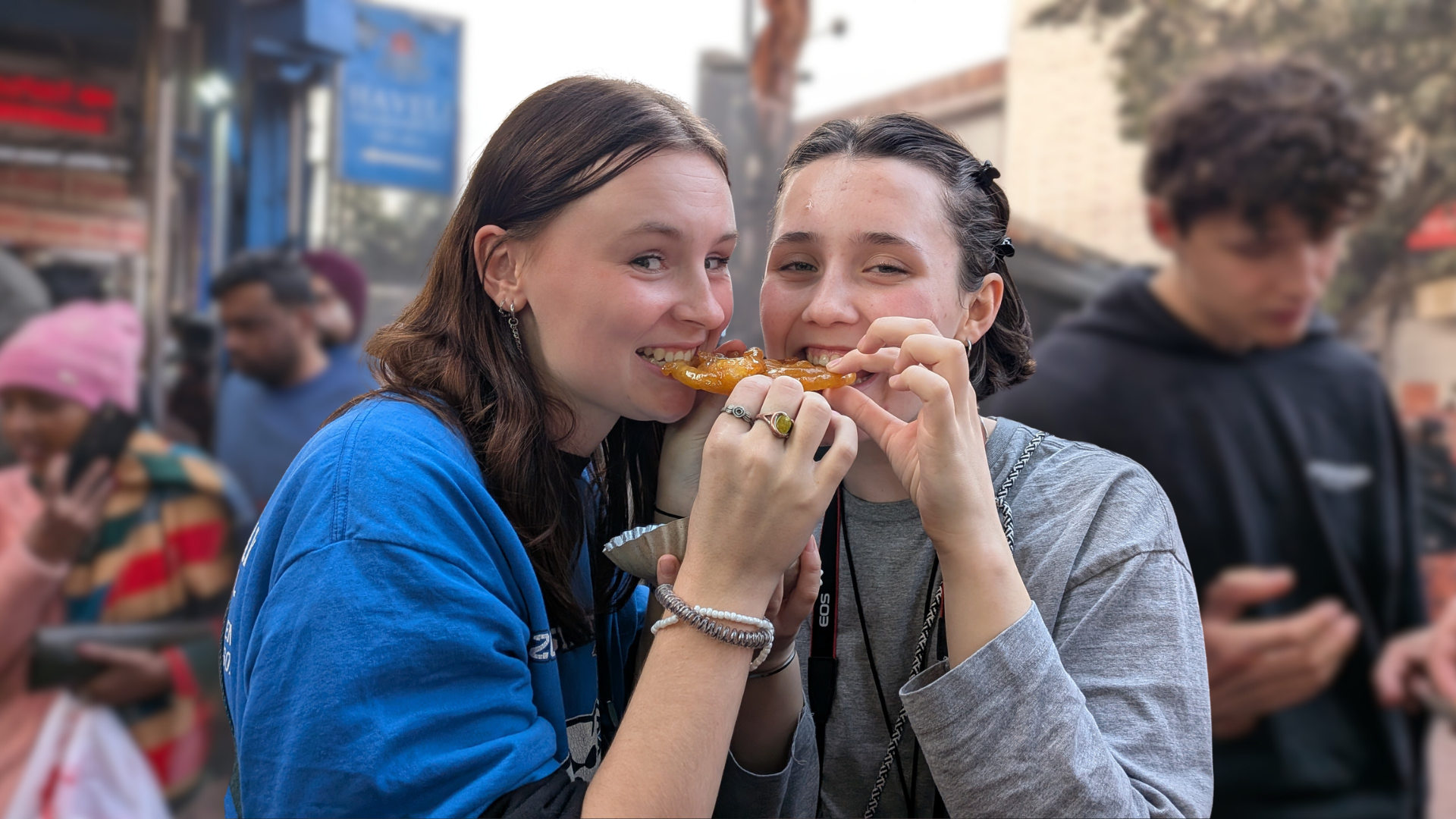
Old Delhi Street Food Tour with Rickshaw Ride
Sample authentic Delhi street cuisine and explore historic neighborhoods by traditional rickshaw
Reserve
Hand-picked by our editors — only the best 5 experiences from 12 reviewed.
Verified partners for every tour, free cancellation where available, and instant confirmation on every booking.
4 hr
Sample authentic Delhi street cuisine and explore historic neighborhoods by traditional rickshaw
Reserve
3 hr 30 min
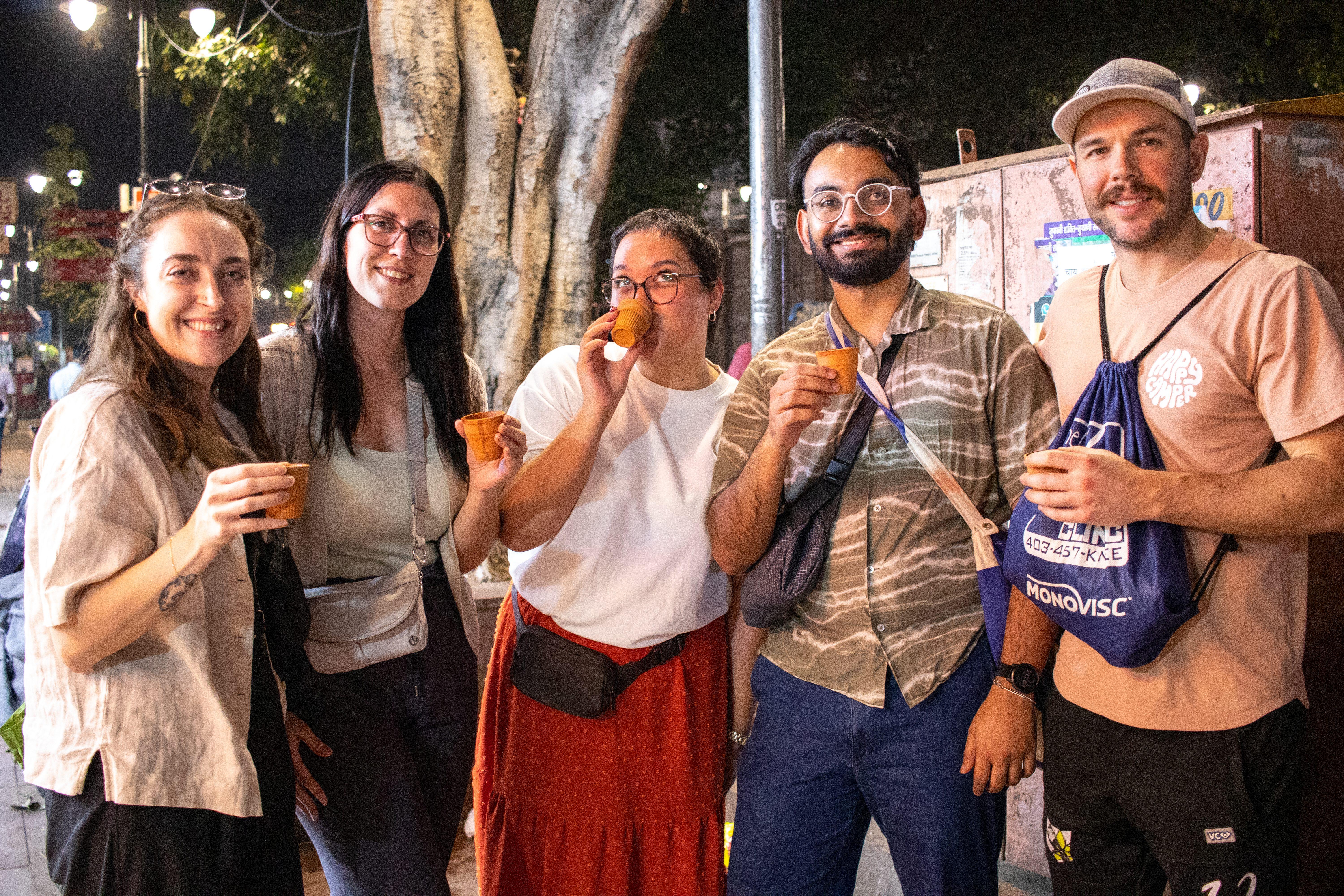
A generous 3.5-hour culinary journey through Old Delhi's illuminated lanes, from dusk to dark
Reserve
5 hr
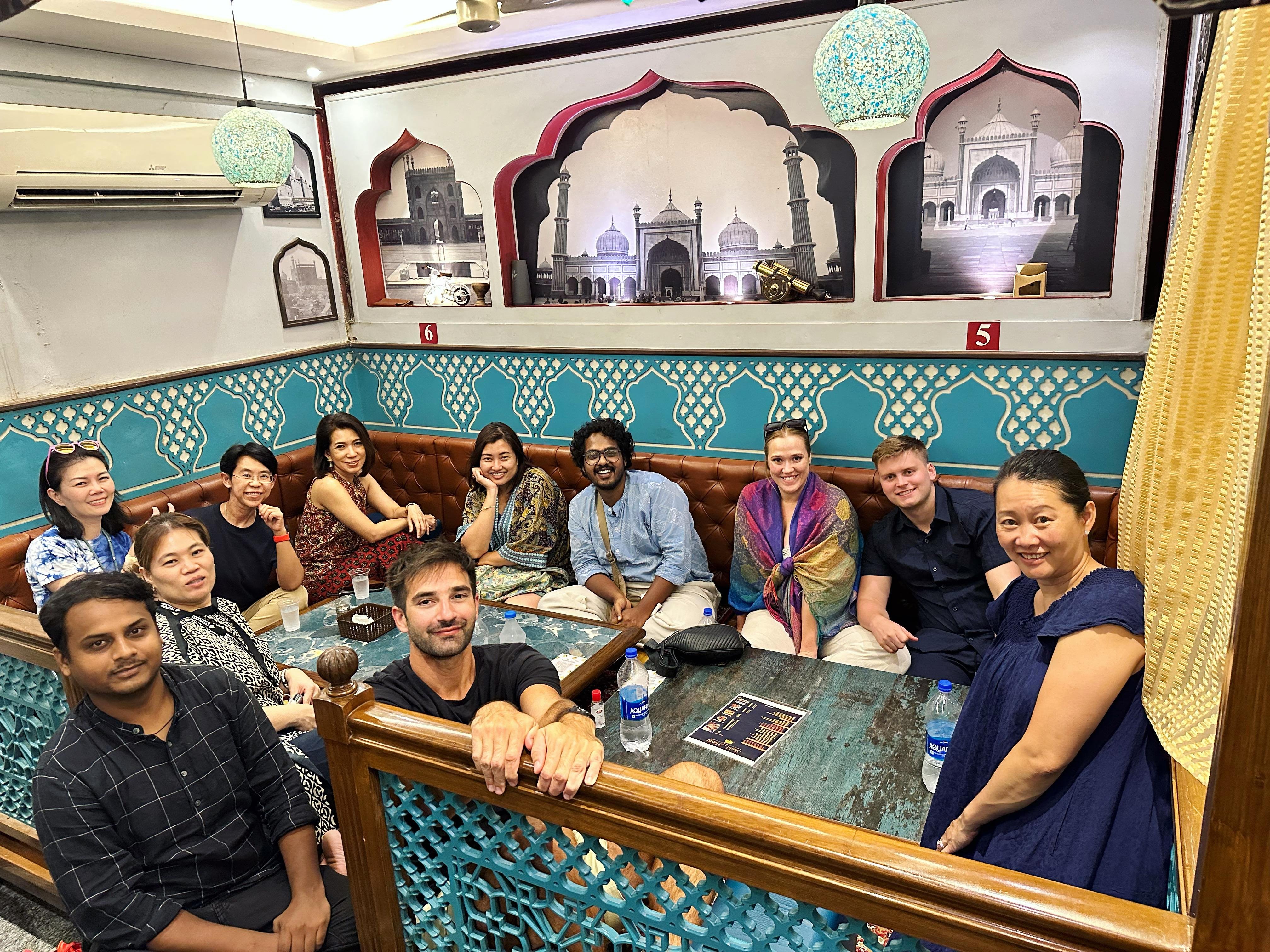
Explore the culinary heart of Old Delhi through markets, street eats, and centuries of flavor.
ReservePrices from verified partners. Availability updates in real time at checkout. Free cancellation policies apply where shown.
The landmarks, rooms, and views travelers on this tour remember — all visible on a single visit.
Known for its historic shops serving deep-fried flatbreads, with origins dating back to the 1870s. This narrow lane is the heart of traditional breakfast dining in the area.
Famous for its meat-based Mughlai cuisine, this establishment has been serving authentic dishes since 1913. It remains a staple for those seeking a heritage-rich dining experience.
Reportedly one of the oldest sweet shops in India, tracing its roots back to 1790. It is renowned for its traditional Sohan Halwa and various regional sweets.
The surrounding streets offer a view of the 17th-century mosque, the largest in India. This area is essential for its mix of architectural grandeur and bustling local street food.
Famous for wedding and ornamental supplies, this vibrant market lane provides a glimpse into local craft traditions. It serves as a visual contrast to the food stalls in the vicinity.
Organized old delhi food walk tours provide curated security and expert insights, whereas self-guided exploration offers total freedom for independent travelers.
| Feature | Top pick Old Delhi Food Walk | Self-Guided Exploration |
|---|---|---|
Logistics |
Pre-arranged meeting point | Planner required |
Safety and Hygiene |
Guided health verification | Individual vigilance required |
Cost |
Fixed price per person | Variable food costs |
Depth of Information |
Expert narrative provided | Limited to personal research |
Flexibility |
Fixed itinerary structure | Full control over pace |
Ease of Navigation |
Led by local guide | Requires digital map use |
| See tickets → |
Verdict: Opt for an old delhi food walk tour if you prioritize safety and deep cultural context, or choose the independent approach for complete control over your old delhi food walk tickets and culinary choices.
Choose your ticket, select your date, and reserve in under two minutes. Secure checkout handled by our verified partner.
Instant confirmation by email, with a mobile voucher you can save offline. No printing, no queuing at a collection desk.
Arrive at the entrance, show your voucher on your phone, and walk in. Most tickets include priority or skip-the-line access.
Practical details for your visit straight from our verified partners — hours, access, rules, and how to get there.
Near Exit 5, Chandni Chowk
Common gathering point for tours.
Use the Yellow Line to reach Chandni Chowk Station.
Hire a cab to the edge of the market.
Dress modestly as you navigate the historical lanes of Old Delhi. Wearing comfortable walking shoes is essential for an old delhi food walk.
Keep belongings minimal while participating in old delhi food walk tours. Public areas are crowded, so maintain awareness of personal bags.
Street photography is common, but always ask permission from vendors before photographing individuals during your old delhi food walk tour.
Navigating the narrow, bustling lanes can be challenging for those with mobility issues. The terrain is uneven and often crowded during an old delhi food walk.
Mobile signal is generally reliable, but coverage may drop in deeper, older lanes. Ensure your device is charged for navigation during your old delhi food walk.
The area is vibrant and noisy, which may overwhelm young children. Parents should supervise closely during any old delhi food walk.
This is a culinary exploration where hygiene standards vary by stall. Carry bottled water and consider your personal tolerance when trying local snacks on an old delhi food walk.
Pets are not suitable for these crowded, high-traffic food lanes. It is best to leave them in secure accommodations.
Plan for significant humidity if visiting during the summer months. Always verify your meeting point for old delhi food walk tickets carefully.
Near Exit 5, Chandni Chowk
Common gathering point for tours.
Get directionsBest time to go, insider tips, nearby landmarks, and the cancellation fine print — flip through to skim what matters to you.
How crowds, weather, and events shift across the year.
Mild temperatures make walking comfortable.
Expect high heat and humidity; visit early or late.
Pleasant weather ideal for full-day walks.
Cool, foggy mornings; best for hot street food.
Small details that turn a good visit into a great one.
Drink plenty of bottled water in the summer heat.
Arrive at 11:00 to experience the market as it becomes fully active.
Carry small currency for quick transactions at vendors.
Consider booking an old delhi food walk tour for navigation.
Be aware of cycle rickshaws in narrow paths.
Wear sturdy, closed-toe shoes.
Non-bookable sights within a short walk — free to visit, easy to pair.
17th-century Mughal fortification.
One of the largest mosques in India.
Historic site with quiet courtyard.
Grand mosque at the market edge.
Flexible, no hidden fees.
As this is a public area, there are no tickets or cancellation windows. The entrance fee is 0 INR.
Hand-picked options within walking distance — pick a district for vibe, or a specific hotel for convenience.
Restored havelis in Old Delhi.
Modern amenities near transit hubs.
Simple lodging for quick access.
Chandni Chowk's labyrinth holds more than four hundred years of culinary memory. Shah Jahan laid the avenue in 1650 as the processional heart of Shahjahanabad, and within a generation the alleys threading off it became Delhi's densest concentration of halwais, kebab makers, and spice merchants. Paranthe Wali Gali earned its name in the 1870s when five families began frying stuffed breads in cast-iron pans the size of cartwheels; four of those shops still operate from the same stone shopfronts. The recipes have traveled intact across Partition, through Emergency-era curfews, and into the present without printed menus or refrigeration. An old delhi food walk today moves through seventeen distinct micro-neighborhoods, each anchored by a single category of food. Khari Baoli, Asia's largest spice wholesale market, opens at five in the morning when sacks of Kashmiri saffron and Tellicherry peppercorns are weighed on century-old brass scales. Dariba Kalan's silver bazaar gives way to Ghantewala's descendants, still making sohan halwa to a 1790 formula that requires twelve hours of continuous stirring. The jalebi at the corner of Dariba and Chandni Chowk emerges from kadhai at seven each morning and sells out by noon; regulars time their arrivals to the minute. The street food architecture here predates the Raj. Open hearths, clay tandoors sunk below street level, and shallow deghs of simmering nihari line routes walked by Mirza Ghalib and later by Nehru. Every stall operates under a kinship economy: the dahi bhalla vendor sources his curd from a single dairy in Ghazipur, his tamarind chutney from a family in Mehrauli who have supplied it for sixty years. The chaatwalas crush their papdi fresh each afternoon, grinding chickpeas with stone mortars that predate the Emergency. A food walk through Old Delhi is not a tasting menu but an edible history lesson. The aloo chaat carries Portuguese genetics from Goa, the kebabs echo Babur's camps in Samarkand, and the falooda traces back to Persian sharbat cooled with Himalayan ice. The district's UNESCO application is pending, but the walk itself requires no ticket, no gate, and no closing time—the lanes remain open around the clock, feeding night-shift rickshaw pullers and dawn-shift market porters in continuous rotation.
"Every stall operates under a kinship economy, with recipes that have traveled intact across Partition and into the present without printed menus or refrigeration."
A step-by-step walkthrough of the visit — what you'll see, how long each stage takes, and the details that matter.
You enter Chandni Chowk from the metro station at eleven in the morning, when the spice market has already been running for six hours and the breakfast crowd has thinned. Your guide steers you past the main avenue into Paranthe Wali Gali, where you sit on a wooden bench and watch a cook pour ghee onto a tawa the size of a tractor wheel. The paratha arrives folded into quarters, stuffed with mashed potato and pomegranate seeds, and you eat it with your hands while the cook begins the next order. You move through the silver bazaar into Dariba Kalan, where the jalebi stall operates from a shopfront no wider than your arm span. The vendor lifts a coil of batter from bubbling oil and drops it onto a metal plate; it's still warm when you bite through the saffron crust. Three alleys east, you pause at a lassi counter where the clay cup is hand-thrown that morning and discarded after a single use. The walk continues to Khari Baoli, where you stand inside a spice warehouse and watch workers shovel crimson chili powder into jute sacks. Your guide explains the grading system for cardamom while you sample fennel seed candy from a century-old tin. By one in the afternoon you've tasted eight distinct dishes, ridden a cycle rickshaw through lanes too narrow for cars, and accumulated enough cumin fragrance on your clothes that you'll smell it for two days.
The area is open 00:00–23:59, though vendor activity peaks between 11:00–20:00.
No, there is 0 INR entrance fee for this public street area.
The best window is 11:00–20:00 to ensure shops and vendors are fully active.
Wear modest clothing and comfortable, sturdy footwear suitable for walking.
Keep bags small and minimal as the crowded lanes make carrying large items difficult.
The narrow, uneven streets of an old delhi food walk are generally not wheelchair accessible.
Use the Yellow Line metro to reach Chandni Chowk Station.
Yes, children can join, but the area is loud and crowded, so close supervision is required.
You can easily combine your walk with nearby sites like Red Fort or Jama Masjid.